


 |
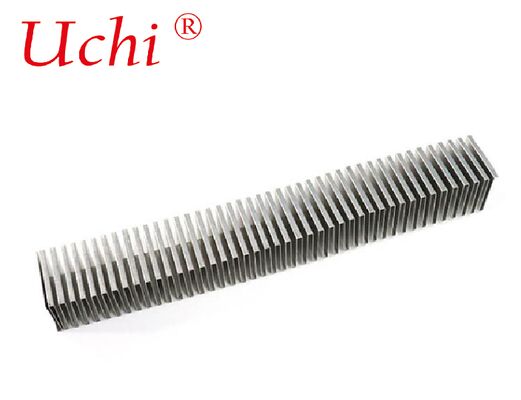
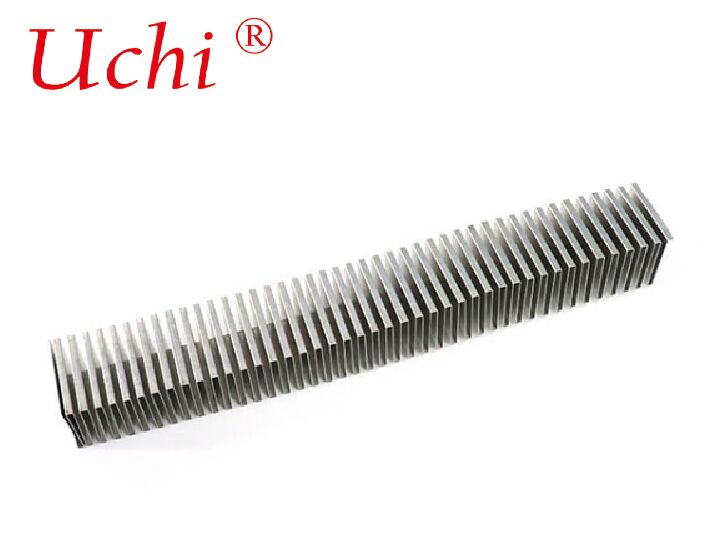
Αντιπροσωπεία θερμικής διαχείρισης υψηλής απόδοσης με διπλωμένο πτερύγιο από αλουμίνιο
Λεπτομέρειες:
| Τόπος καταγωγής: | Dongguan, Γκουανγκντόνγκ, Κίνα |
| Μάρκα: | Uchi |
| Πιστοποίηση: | SMC |
| Αριθμό μοντέλου: | Ψύκτρα |
Πληρωμής & Αποστολής Όροι:
| Ποσότητα παραγγελίας min: | 100 τεμ |
|---|---|
| Τιμή: | 1300-1500 dollars |
| Χρόνος παράδοσης: | Μη περιορισμένος |
| Όροι πληρωμής: | T/T, paypal, Western Union, |
| Δυνατότητα προσφοράς: | 50000000 τμχ ανά μήνα |
|
Λεπτομερής ενημέρωση |
|||
| Υλικό: | Χαλκός | Μέγεθος: | 22,5*11,4*0,8 εκ |
|---|---|---|---|
| Βάρος:: | 0,08 KG | Τεχνολογία: | Σφράγιση |
| χαρακτηριστικό: | Ευέλικτο και Ρυθμιζόμενο | Επεξεργασία Επιφανειών: | Καθαρισμός λαδιών |
| Δύναμη θερμικής ψύξης: | 30W | ||
| Επισημαίνω: | Αλουμινίου διπλωμένο πτερύγιο θέρμανσης,Συστατικό υψηλής απόδοσης θερμικής διαχείρισης,Πλάκα ψύξης υγρού Θερμοαπορροφητήρα |
||
Περιγραφή προϊόντων
Ψύκτρα με αναδιπλούμενα πτερύγια αλουμινίου
Παράμετροι προϊόντος της Ψύκτρας με αναδιπλούμενα πτερύγια αλουμινίου
Υλικό: χαλκός
Μέγεθος: 22,5*11,4*0,8 εκ.
Βάρος: 0,08 κιλά
Τεχνολογία: Πρεσάρισμα
Χαρακτηριστικό: Ευέλικτο και ρυθμιζόμενο
Επεξεργασία επιφάνειας: Καθαρισμός με λάδι
Ισχύς ψύξης θερμότητας: 30W
Πλεονέκτημα προϊόντος της Ψύκτρας με αναδιπλούμενα πτερύγια αλουμινίου
Κάθε ηλεκτρικό και ηλεκτρονικό εξάρτημα σε ένα κύκλωμα παράγει κάποια ποσότητα θερμότητας ενώ το κύκλωμα εκτελείται παρέχοντας τροφοδοσία. Συνήθως, οι ημιαγωγοί υψηλής ισχύος όπως τα τρανζίστορ ισχύος και τα οπτοηλεκτρονικά όπως οι διόδους εκπομπής φωτός, τα λέιζερ παράγουν θερμότητα σε σημαντικές ποσότητες και αυτά τα εξαρτήματα είναι ανεπαρκή για τη διάχυση της θερμότητας, καθώς η ικανότητα διάχυσής τους είναι σημαντικά χαμηλή.
Λόγω αυτού, η θέρμανση των εξαρτημάτων οδηγεί σε πρόωρη βλάβη και μπορεί να προκαλέσει βλάβη στην απόδοση ολόκληρου του κυκλώματος ή του συστήματος. Έτσι, για να ξεπεραστούν αυτές οι αρνητικές πτυχές, πρέπει να παρέχονται ψύκτρες για σκοπούς ψύξης.
Τι είναι μια Ψύκτρα;
Η ψύκτρα είναι ένα ηλεκτρονικό εξάρτημα ή μια συσκευή ενός ηλεκτρονικού κυκλώματος που διαχέει θερμότητα από άλλα εξαρτήματα (κυρίως από τα τρανζίστορ ισχύος) ενός κυκλώματος στο περιβάλλον μέσο και τα ψύχει για να βελτιώσει την απόδοσή τους, την αξιοπιστία τους και να αποφύγει την πρόωρη βλάβη των εξαρτημάτων. Για σκοπούς ψύξης, ενσωματώνει ανεμιστήρα ή συσκευή ψύξης.
Κατασκευή & Υλικά
- Διαδικασία: Λεπτά φύλλα αλουμινίου (τυπικά 0,1-0,5 mm, κοινό εύρος 0,2-1,2 mm) διπλώνονται με ακρίβεια σε κυματοειδή/ζιγκ-ζαγκ διάταξη, στη συνέχεια συνδέονται σε μια πλάκα βάσης αλουμινίου μέσω συγκόλλησης, συγκόλλησης με καλάι ή εποξειδικής ρητίνης υψηλής απόδοσης. Αυτό επιτρέπει ανεξάρτητη βελτιστοποίηση της πυκνότητας των πτερυγίων και του πάχους της βάσης, ακόμη και συνδυασμούς διαφορετικών υλικών (π.χ., βάση χαλκού + πτερύγια αλουμινίου).
- Κοινά Κράματα: 1050/1100 (υψηλής καθαρότητας, εξαιρετική θερμική αγωγιμότητα), 6061/6063 (καλή αντοχή + θερμική απόδοση, οικονομικά αποδοτικό).
- Βασικές Παράμετροι: Βήμα πτερυγίων έως 0,5 mm, ύψος πτερυγίων έως 100 mm, πλάτος πτερυγίων έως 500 mm.
Βασικά Πλεονεκτήματα
- Υψηλή Αναλογία Επιφάνειας προς Όγκο: Πολύ πυκνότερη από τα εξωθημένα πτερύγια, ιδανική για εφαρμογές με περιορισμένο χώρο και υψηλή θερμότητα, με μειωμένη θερμική αντίσταση (έως 60% σε σύγκριση με ορισμένα παραδοσιακά σχέδια).
- Ελαφρύ & Αποδοτικό σε Υλικά: Χρησιμοποιεί ελάχιστο αλουμίνιο μεγιστοποιώντας την επιφάνεια ψύξης.
- Ευέλικτος Σχεδιασμός: Εύκολη προσαρμογή ύψους, βήματος και σχήματος πτερυγίων για εξαναγκασμένη/φυσική μεταφορά.
- Συμβατό με Σωλήνες Θερμότητας/Θαλάμους Ατμού: Συχνά ενσωματώνεται για ενισχυμένη θερμική διάχυση σε συστήματα υψηλής ισχύος.
Εφαρμογές
| Τύπος | Πλεονεκτήματα | Μειονεκτήματα | Ιδανικό για |
|---|---|---|---|
| Αναδιπλούμενο πτερύγιο (Αλουμίνιο) | Εξαιρετικά υψηλή επιφάνεια, ελαφρύ, προσαρμόσιμο | Υψηλότερο κόστος από την εξώθηση, απαιτεί σύνδεση | Συστήματα υψηλής ισχύος, συμπαγή, με εξαναγκασμένο αέρα |
| Εξωθημένο αλουμίνιο | Χαμηλό κόστος, απλή κατασκευή, άκαμπτο | Περιορισμένη πυκνότητα πτερυγίων/αναλογία όψης | Εφαρμογές χαμηλής έως μεσαίας ισχύος, ευαίσθητες στο κόστος |
| Σκιζόμενο πτερύγιο | Εξαιρετική θερμική επαφή, υψηλή πυκνότητα | Περιορισμένο ύψος πτερυγίων, υψηλότερο κόστος εργαλείων | Σωλήνες θερμότητας, επεξεργαστές υψηλής απόδοσης |
Συμβουλές Επιλογής & Βελτιστοποίησης
- Θερμικό Φορτίο & Ροή Αέρα: Υπολογίστε την απαιτούμενη θερμική αντίσταση (Rθ) και αντιστοιχίστε τη με τη ροή αέρα (LFM/CFM). Ο εξαναγκασμένος αέρας λειτουργεί πολύ καλύτερα με πυκνά αναδιπλούμενα πτερύγια.
- Βήμα & Ύψος Πτερυγίων: Στενότερο βήμα = περισσότερη επιφάνεια, αλλά μπορεί να περιορίσει τη ροή αέρα. Ψηλότερα πτερύγια ενισχύουν τη μεταφορά, αλλά αυξάνουν το βάρος/την αντίθλιψη.
- Ποιότητα Σύνδεσης: Κακή συγκόλληση/συγκόλληση με καλάι δημιουργεί αντίσταση επαφής. Επαληθεύστε την ακεραιότητα της σύνδεσης μέσω θερμικής απεικόνισης ή δοκιμής αντίστασης.
- Επεξεργασία Επιφάνειας: Η ανοδίωση βελτιώνει την αντοχή στη διάβρωση και μπορεί να ενισχύσει ελαφρώς την ακτινοβολία. Η μαύρη ανοδίωση βοηθά σε σενάρια ψύξης με ακτινοβολία.
