


 |
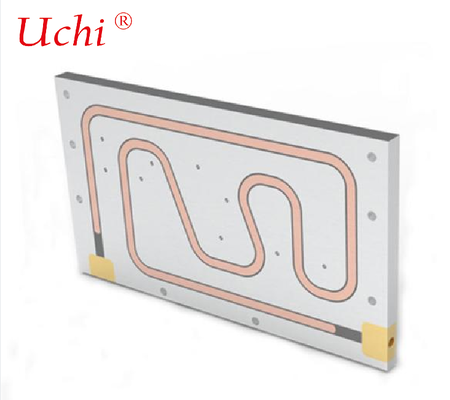
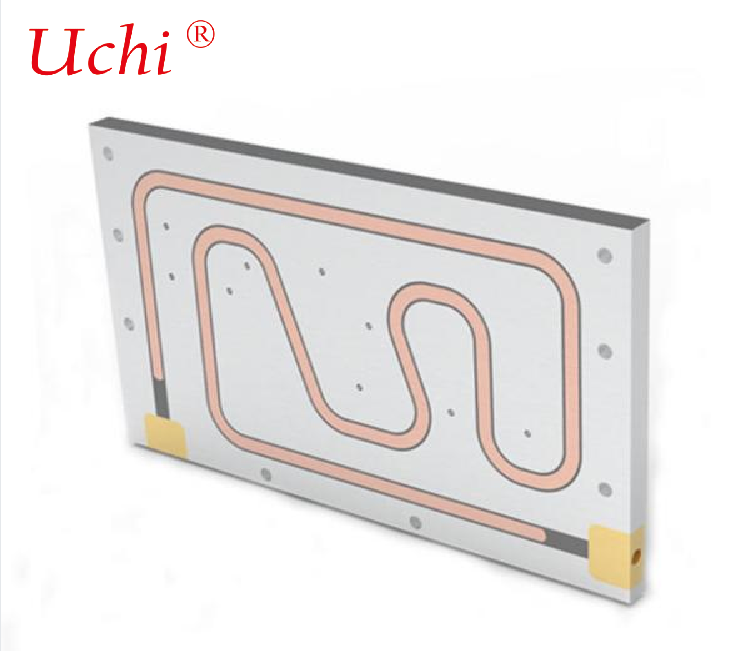
Πλάκα ψύξης υγρού για μετατροπέα (πλάκα ψύξης υγρού μετατροπέα)
Λεπτομέρειες:
| Τόπος καταγωγής: | Dongguan, Γκουανγκντόνγκ, Κίνα |
| Μάρκα: | UCHI |
| Πιστοποίηση: | UL.VDE,SGS,REACH,CQC,CSA.ISO.ROHS,CUL |
Πληρωμής & Αποστολής Όροι:
| Ποσότητα παραγγελίας min: | 1000 ΤΕΜ |
|---|---|
| Τιμή: | Διαπραγματεύσιμα |
| Συσκευασία λεπτομέρειες: | όγκος |
| Χρόνος παράδοσης: | 5-7 μέρες |
| Όροι πληρωμής: | T/T, Paypal, Western Union, γραμμάριο χρημάτων |
| Δυνατότητα προσφοράς: | 5000,000,000PCS το μήνα |
|
Λεπτομερής ενημέρωση |
|||
| Ισχύς απαγωγής θερμότητας: | ≥ 25W | Χρώμα: | Προσαρμοσμένο χρώμα |
|---|---|---|---|
| Τεχνολογία προϊόντων: | Μηχανή CNC + φινίρισμα επιφάνειας | Ρουλεμάν: | Ρουλεμάν κραμάτων |
| Άρθρο αριθ.: | Πλάκα υγρής ψύξης 14 | Θερμοαγωγική ισχύς: | 400 W |
| Θεραπεία: | παθητικοποίηση Θερμοαγωγική | Πίεση Εργασίας: | Τουλάχιστον 1 bar |
| Εύρος θορύβου: | 9,5-25 | Ισχύς Πηγής Θερμότητας: | 24 KW |
| Διάσταση: | 268x158x22mm | Σχήμα: | Πλατεία |
| Δύναμη αγωγιμότητας θερμότητας: | 238W | Διαδικασία: | μπρουντζιασμένο πτερύγιο |
| Επισημαίνω: | Ψυχρή πλάκα μετατροπέα υγρού ψύξης,πλάκα ψύξης υγρού μετατροπέα,ψυχρή πλάκα υγρού υψηλής απόδοσης |
||
Περιγραφή προϊόντων
Πλάκα ψύξης υγρού για μετατροπέα (πλάκα ψύξης υγρού μετατροπέα)
1Γενική εικόνα του προϊόντος
Αυτό το στοιχείο υγρής ψύξης έχει σχεδιαστεί ειδικά για φωτοβολταϊκούς μετατροπείς, μετατροπείς αποθήκευσης ενέργειας, μετατροπείς αιολικής ενέργειας και μετατροπείς βιομηχανικής συχνότητας.Κυκλοφορεί ψυκτικό υγρό μέσω εσωτερικών καναλιών ροής για να εξαλείψει τη θερμότητα που παράγεται από τα βασικά στοιχεία όπως τα IGBTΗ συσκευή αυτή είναι κατασκευασμένη κυρίως με δύο διαδικασίες: συγκόλληση με τριβή (FSW) και συγκόλληση υπό κενό.
2. Κύρια εφαρμοστέες διαδικασίες και χαρακτηριστικά
2.1 Έκδοση συγκόλλησης με ανάμειξη με τριβή (FSW) (High-end Mainstream)
Υιοθετώντας τεχνολογία συγκόλλησης στερεής κατάστασης χωρίς λιωμένη δεξαμενή ή πόρους.
- Αντίσταση σε υψηλή πίεση: ονομαστική εργασιακή πίεση ≥ 1,5 MPa, εξαιρετική αντίσταση σε δονήσεις και αντίσταση σε θερμική κόπωση.
- Ελάχιστη παραμόρφωση συγκόλλησης και υψηλή επίπεδη επιφάνεια, παρέχοντας ανώτερη θερμική επαφή με τις μονάδες ισχύος.
- Ιδανικό για εφαρμογές που απαιτούν μακρά διάρκεια ζωής και λειτουργούν υπό έντονες δονήσεις, όπως εξωτερικές εγκαταστάσεις, συστήματα που τοποθετούνται σε οχήματα, αποθήκευση ενέργειας και εξοπλισμός αιολικής ενέργειας.
2.2 Έκδοση ατμοσφαιρικής συγκόλλησης (οικονομικά αποδοτικός τύπος)
- Προετοιμασμένη διαδικασία με υψηλή απόδοση κόστους, κατάλληλη για χαμηλής πίεσης και στατικές συνθήκες εργασίας.
- Αντίσταση στην πίεση: 0,5·1,2 MPa· κατά την επεξεργασία εμφανίζεται σχετικά μεγάλη θερμική παραμόρφωση.
- Εφαρμόζεται ευρέως σε εσωτερικούς μετατροπείς συχνότητας ισχύος και γενικούς φωτοβολταϊκούς μετατροπείς.
3Κοινά υλικά
Σύνθεση αλουμινίου (κυρίως χρησιμοποιούμενη)
- 6061/6063: Βέλτιστες συνολικές επιδόσεις όσον αφορά την αντοχή, τη θερμική αγωγιμότητα και τη μηχανική ικανότητα, πρώτη επιλογή για γενικά μοντέλα.
- 1050/1070: Καθαρό αλουμίνιο με υψηλότερη θερμική αγωγιμότητα, για εξοπλισμό με εξαιρετικά υψηλές απαιτήσεις διάσπασης θερμότητας.
Σύνθετο χαλκού
Διαθέτει εξαιρετική θερμική αγωγιμότητα, υιοθετημένη για μετατροπείς με υψηλή ισχύ και μονάδες ισχύος υψηλής πυκνότητας.
4. Τύποι εσωτερικών διαύλων ροής
- Διάδρομος Σερπέντιν: Για γενικούς μετατροπείς υψηλής ισχύος, με ομοιόμορφη ροή υγρού και σταθερή διάχυση θερμότητας.
- Μικροκάναλος: Εφαρμόζεται σε συμπαγείς μετατροπείς με υψηλή πυκνότητα ισχύος για υψηλότερη απόδοση ανταλλαγής θερμότητας.
- Παράλληλο διαχωρισμένο κανάλι ροήςΔυνατότητα διαρροής θερμότητας σε ζώνες για πολλαπλές μονάδες και διασφάλιση συνεπούς ελέγχου θερμοκρασίας.
5Βασικές τεχνικές παραμέτρους (βιομηχανικά πρότυπα)
- Τυπική πίεση δοκιμής: 1,0 MPa, χωρίς διαρροή μετά από 30 λεπτά διατήρησης της πίεσης
- Θερμοκρασία λειτουργίας: -40°C ~ +85°C
- Επικονική επιφάνεια (διαδικασία FSW): ≤ 0,1 mm/m
- Εφαρμόσιμα ψυκτικά: υδατικό διάλυμα αιθυλενογλυκόλης, καθαρό νερό, ειδικό αντιψυκτικό ψύξης
6Τυπικά σενάρια εφαρμογής
Μετατροπείς φωτοβολταϊκούς που συνδέονται με δίκτυο, μετατροπείς συρμάτων, κεντρικοί μετατροπείς
Συστήματα μετατροπής ισχύος (PCS), συστήματα μετατροπών για δοχεία αποθήκευσης ενέργειας
Μετατροπείς αιολικής ενέργειας, μετατροπείς έλξης μηχανών
Εργαλεία μετατροπής συχνοτήτων για βιομηχανικούς σκοπούς, τροφοδοσίες σερβο, εξοπλισμός μετατροπής συχνότητας υψηλής τάσης
7. Διαδικασία κατασκευής (διαδικασία FSW)
Material cutting → Flow channel milling → Precision cleaning → Plate assembly & clamping → Friction stir welding → Post-weld finish milling → Hydraulic & air tightness testing → Surface treatment (Anodizing / Sandblasting) → Machining of mounting holes & ports → Final inspection
8Οδηγίες επιλογής
- Εξωτερικοί σταθμοί ηλεκτροπαραγωγής, η αιολική ενέργεια, η αποθήκευση ενέργειας και το περιβάλλον μακροχρόνιων δονήσεων: Προτεραιότητα στη συγκόλληση με τριβή (FSW).
- Εσωτερικός στατικός εξοπλισμός, δαπανηρά έργα και εργασιακές συνθήκες χαμηλής πίεσης: Επιλέξτε ζύμωση υπό κενό.
- Εξοπλισμός παραγωγής υψηλής ισχύος / υψηλής θερμότητας: Επιλέξτε υλικά αλουμινίου ή χαλκού υψηλής θερμικής αγωγιμότητας σε συνδυασμό με δομή μικροκαναλιών.

Θέλετε να μάθετε περισσότερες λεπτομέρειες σχετικά με αυτό το προϊόν